Civitas Naturalis logo

In het logo van Civitas Naturalis is een primaire reeks organisaties of gemeenschappen zichtbaar, die sterk aanwezig zijn in het publieke ecosysteem. Eigenlijk zijn het families. Kleuren* helpen om (bio)diversiteit te visualiseren. De negen families zijn dagelijks in het nieuws. De kleuren worden gebruikt bij de diagnose van welke organisaties of gemeenschappen een rol spelen bij specifieke vraagstukken, wat hun positie is en hoe zij zich tot elkaar verhouden.

Beginnend linksboven en vervolgens met de klok mee: 

  • Rood: burgermaatschappij, gemeenschap.
  • Paars: gekozen volksvertenwoordiging, wetgevende macht.
  • Blauw: openbaar bestuur en haar organisatie, de uitvoerende macht.
  • Lichtblauw: werkend met of voor een openbaar bestuur, parastatale instelling, verbonden partij.
  • Groen: natuur, een concreet milieu- of ecologisch gebied.
  • Lichtgroen: wetenschappelijke organisatie, universiteit.
  • Geel: bedrijfsorganisaties, bedrijven.
  • Oranje: niet-gouvernementele organisatie, stichting of vereniging.
  • In het midden Grijs: juridische instelling, de controlerende (rechtelijke) macht. 

In the Civitas Naturalis logo, a primary set of organisations or communities is visible, which are very present in the public ecosystem. They are, in fact, grouped into families. Colours* help visualise the (bio)diversity. The colours are used to identify which organisations or communities play a role in specific issues, what their position is, and how they relate to one another.

The nine families are in the news daily. Starting from the left and then clockwise:

  • Red: civil society, community.
  • Purple: elected council, legislative power.
  • Blue: government with a governing council and its organisation, the executive power.
  • Light Blue: • linked to, or working with or for, the government, parastatal.
  • Green: nature, a concrete environmental or ecological area.
  • Light Green: science organisation, university.
  • Yellow: business organisations, companies.
  • Orange: non-governmental organisation, foundation, or association.
  • In the middle, Grey: legal institution, the controlling (judicial) power.

*Alle kleuren vallen binnen het Pantone Color Matching System voor standaardisatie, drukwerk en reproductie. Voor spel, expressie en groepsprocessen komen ze overeen met de LEGO-standaard voor bouwstenen. • All colours are within the Pantone Color Matching System for standardisation, print, and reproduction. For play, expression, and group processes, they match the LEGO brick standard.

Inspiratie / Inspiration

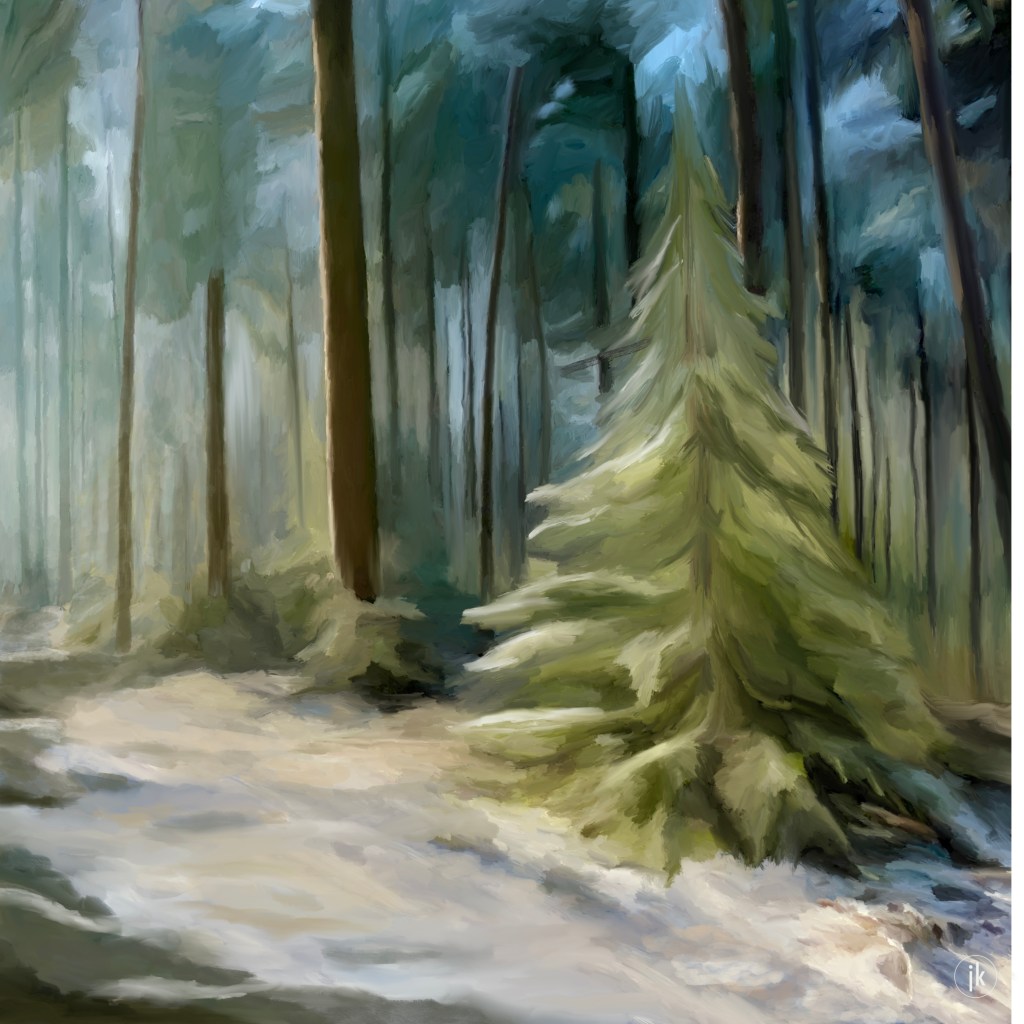
De inspiratie voor Civitas Naturalis ligt in de werking van het meest complexe natuurlijke ecosysteem op aarde: het bos. De overtuiging is dat het bos ons veel kan leren over het besturen van het ‘systeem van stad en samenleving’. In het bijzonder bleek uit bevindingen in de praktijk van ‘city management’ dat de hieraanwezige componenten (organisaties zijn de organismen), structuren en processen ook hier binnen één ecosysteem kunnen worden beschouwd, waarbij rollen en relaties bepalend zijn voor balans, diversiteit en veerkracht.

Het bos is één van de meest complexe ecosystemen op aarde. Het kan ons veel leren over de besturing van stad en samenleving. Misschien worden we weer verliefd op waar we vandaan komen. We kunnen zoveel beter, als we ons het bos herinneren. - Jack P. Kruf Huyssons

The forest is one of the most complex ecosystems on earth. It can teach us a lot about the governance of the city and society. Maybe we fall in love again with where we come from. We can do so much better if we remember the forest. - Jack P. Kruf Huyssons

The inspiration for Civitas Naturalis lies in the workings of one of the most complex natural ecosystems on Earth: the forest. It is believed that forests could teach us much about governing the urban and societal system. Findings from the practice of ‘city management’ in particular showed that the components, structures, and processes present here can also be considered part of a single ecosystem, where roles and relationships determine balance, diversity, and resilience.

Foto / picture @Jack Kruf.

Verbinding / Connection

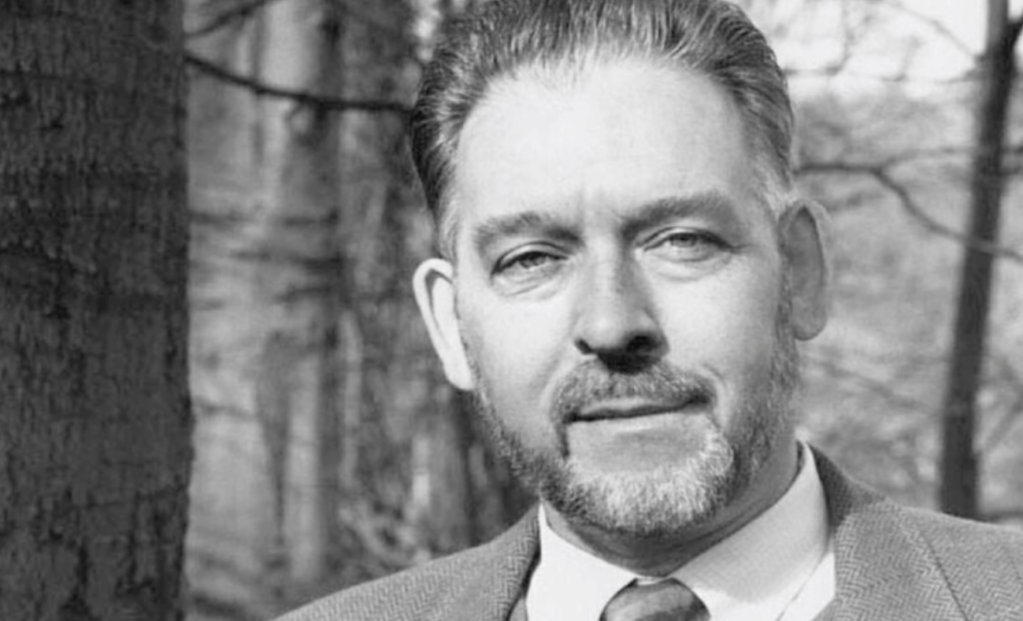
In de kernbenadering van de diagnose door Civitas Naturalis is de onderlinge verbinding tussen de wetenschappen essentieel. Daarin worden diverse parallelle benaderingen gehanteerd om het perspectief op het te bestuderen ecosysteem te verrijken, en een brede visie te combineren en te integreren met verdieping via een specifieke wetenschap. Deze verbinding was volgens Oldeman et al. (1990) noodzakelijk om nauwkeurige antwoorden te verkrijgen. Hij benadrukte de noodzaak van een holistische benadering bij de diagnose in grensoverschrijdende bosstudies. Hij moedigde zijn studenten altijd aan om binnen het gefragmenteerde landschap van de wetenschappen de streng bewaakte grenzen van de individuele universiteiten over te steken. Hij stelde (vertaald):

"De groep die verantwoordelijk was voor het thema boscomponenten besloot het proces te versnellen door een ambitieus project te starten, namelijk het schrijven van een gezamenlijk boek. Er is geen betere manier om samenwerking te stimuleren, maar deze manier moet ook worden aangeleerd en in praktijk worden gebracht. Het resultaat ligt nu voor u. Het boek is naar onze mening nog niet ideaal, omdat het nog te veel sporen bevat van de oude universiteitstraditie waarin onderzoekers elk afzonderlijk werken aan de smalle onderwerpen waar zij het meest van af weten." - Oldeman et al. (1990)

The core approach to diagnosis at Civitas Naturalis is about the interconnection between the sciences. It was repeatedly emphasised by Roelof Oldeman. He employed various approaches to enrich the perspective on ecosystem diagnosis by integrating a broad vision with in-depth knowledge from a specific science. In his view, this connection was necessary to obtain accurate answers. In Oldeman et al. (1990), he emphasised the need for a holistic approach to diagnosis in cross-border forest studies. He always encouraged his students to cross the strictly guarded boundaries of individual universities within the fragmented landscape of the sciences. He stated:

"The group that was responsible for the forest components theme decided to accelerate the process by starting an ambitious project, the writing of a common book. There is no way in which cooperation can be stimulated better, but this way has to be learned and practised too. The result is now before you. The book is not yet ideal, in our opinion, because it still contains too many traces of the old University tradition of researchers working, each apart, on such narrow subjects as they know best." - Oldeman et al. (1990)

Bibliografie / Bibliography

Oldeman, R.A.A. (1990). Forests: Elements of Silvology. Berlin / Heidelberg: Springer-Verlag.

Civitas Naturalis

Stichting Civitas Naturalis werd opgericht op 10 juli 2020 door Professor Dr. Ir. Roelof A.A. Oldeman en Ir. Jack P. Kruf Huyssons met als doel ‘bevordering van een holistische en silvologische* benadering van ontwerp, inrichting, management en besturing van publieke waarden en hun organisaties door middel van de bevordering en deling van kennis in de meest brede zin.’ Systeemdenken staat daarbij centraal: een jaarlijkse denktank, Chablis Convent, en een raamwerk voor diagnose, CINTONE, een acroniem van CIvitas Naturalis TONE.

Stichting Civitas Naturalis was founded on 10 July 2020 by Professor Dr. Ir. Roelof A.A. Oldeman and Ir. Jack P. Kruf Huyssons. The organisation’s mission is to promote a holistic, silvological approach to the design, establishment, management, and governance of public values and their organisations, and to disseminate knowledge on these topics. Systems thinking lies at the heart of its activities. This includes annual Thinktank, Chablis Convent and a diagnostic framework, the CINTONEan acronym of CIvitas Naturalis TONE.